Reviewing the Floral Watering Can Design
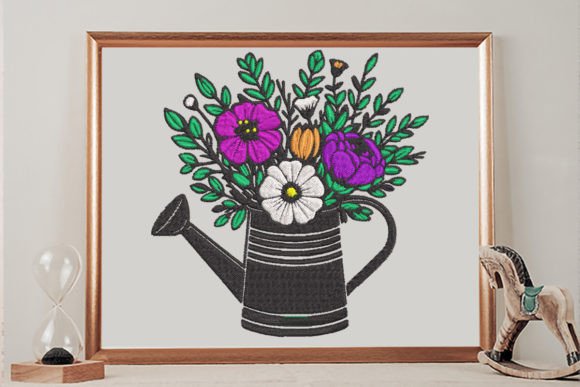
As a designer who has spent countless hours staring at digitized files and watching needles dance across fabric, I have developed a keen eye for what works in the real world. We are not just looking at pretty pictures on a screen; we are evaluating how a machine embroidery design translates into a tangible, durable, and sellable product. Today, I am taking a close look at the Floral Watering Can design. This piece falls squarely into the Spring category, offering a whimsical touch that appeals to a broad audience of crafters and buyers alike.
The first impression of this design is one of gentle nostalgia. It does not shout for attention with aggressive colors or overly complex geometry. Instead, it invites the viewer in with a sense of charm and domestic warmth. For those of us running small shops or creating personalized gifts, this mood is invaluable. It suggests care, growth, and freshness—themes that resonate deeply with customers looking for home decor or thoughtful presents.
Visual Appeal and Layout Dynamics
When evaluating any embroidery file, I start by analyzing the balance between negative space and stitch density. The Floral Watering Can features a classic silhouette that is instantly recognizable. The layout appears well-considered, with flowers spilling from the spout or handle, creating a natural flow that guides the eye. This organic movement is crucial because rigid, static designs can often feel sterile on soft textiles.
The detail level seems appropriate for general use. It avoids the trap of being so intricate that it becomes a nightmare to stitch on textured fabrics, yet it retains enough character to stand out as a focal point. For an Etsy seller or boutique owner, this balance is key. You want a design that looks professional and high-value without requiring hours of machine time or excessive thread consumption.
Real-World Application Scenarios
Let’s move beyond theory and discuss where this design actually shines. I recently considered using a similar motif for a custom order involving kitchen linens. The Floral Watering Can is perfectly suited for this application. Imagine stitching this onto a high-quality linen tea towel. The whimsical nature of the watering can pairs beautifully with the rustic texture of linen, creating a product that feels both handmade and refined.
Beyond the kitchen, this design has strong potential in the realm of custom apparel. Picture a light heather grey sweatshirt with the design embroidered on the left chest. It transforms a basic garment into a unique piece of wearable art. For baby items, such as a muslin blanket or a bib, the gentle theme fits the nursery aesthetic perfectly. However, when working with baby embroidery, one must always prioritize softness and safety, ensuring that no dense stitch areas create stiffness against sensitive skin.
Another viable option is the tote bag design market. Canvas bags are sturdy and provide a stable surface for embroidery. A floral watering can motif adds a pop of personality that appeals to gardeners, teachers, and anyone who appreciates a touch of nature in their daily accessories. It elevates a simple utility item into a handmade product that customers are proud to carry.
Technical Considerations and Fabric Choices
While the design is charming, practical execution requires careful planning. One must consider the fabric texture and weight. This design likely relies on a combination of satin stitch for outlines and fill stitch for the flowers and can body. On thin or stretchy fabrics, such as jersey knits for t-shirts, proper stabilization is non-negotiable. Without a cut-away or high-quality tear-away stabilizer, the design may pucker, distorting the lovely curves of the watering can.
I also advise caution when using this on dark fabrics. If the design includes light-colored flowers, you must ensure there is adequate underlay stitching to prevent the background fabric from showing through. Testing thread colors is essential here. A mockup on your computer is helpful, but nothing beats stitching a sample on scrap fabric. Check the contrast. Does the green of the leaves pop against the navy blue shirt? Do the petals stand out against the white apron?
For curved surfaces like caps or hats, the layout must be adjusted. The width of the watering can might be too broad for a standard front panel of a baseball cap. In such cases, scaling down the design is necessary, but one must be wary of losing detail. Tiny elements can become indistinct if reduced too much, turning beautiful flowers into undefined blobs of thread. Always verify the minimum hoop size required and ensure your machine can accommodate the dimensions without hitting the hoop edges.
Commercial Viability and Brand Consistency
For those using this as a commercial embroidery asset, consistency is vital. If your brand focuses on rustic, farmhouse-style goods, the Floral Watering Can aligns perfectly. It enhances brand recognition by reinforcing a cohesive aesthetic. However, if your brand is modern and minimalist, this whimsical design might clash. Know your audience.
From a business perspective, this design offers good value. It is versatile enough to be used across multiple product lines—pillows, towels, apparel—allowing you to maximize your return on investment for the digital embroidery file. When creating printable mockups for your online store, ensure the images reflect the true texture and dimension of the stitched result. Misleading previews can lead to customer dissatisfaction and returns.
Final Designer Notes
Before committing to a large production run or listing this as a finished product, take these practical steps:
- Test on Scrap Fabric: Always stitch a test piece on the exact material you intend to use for the final product.
- Check Stitch Density: Ensure the fill areas are not too dense, which can cause fabric distortion, or too sparse, which looks cheap.
- Verify Licensing: The product description mentions it comes with certain attributes, but always confirm the license terms. Can you sell finished items? Can you share the digital file? Clarity here protects your business.
- Inspect Small Details: Look closely at the connection points between the flowers and the can. Are there jump stitches that need trimming? Clean finishing is a hallmark of professionalism.
- Consider Washing Durability: If the item is a kitchen towel or baby item, it will be washed frequently. Ensure the thread quality is high and the stitching is secure to maintain the finished product integrity over time.
In conclusion, the Floral Watering Can is a solid choice for designers looking to add a touch of springtime charm to their repertoire. It is not just a pretty image; it is a functional design element that, when executed with care, can enhance the perceived value of any small shop product. By paying attention to fabric choice, stabilization, and thread contrast, you can turn this digital asset into a beloved physical item that resonates with customers. Whether you are creating a personalized gift or stocking your boutique, this design offers the versatility and appeal needed to succeed in the competitive world of handmade goods.