Reviewing the Dusty Green Floral Embroidery Cutting Bo Design
As a designer who has spent countless hours staring at digitized files and watching needles punch through fabric, I have learned that not every pretty picture translates well into thread. When I first opened the Dusty Green Floral Embroidery Cutting Bo file, my initial reaction was one of cautious optimism. The preview looked elegant, with a soft, muted palette that suggests sophistication rather than the loud, primary colors often seen in beginner kits. But a preview is just a promise; the real test is how it behaves under the presser foot.
This design falls under the category of Illustrations and Graphics, which immediately tells me it relies heavily on visual flow and aesthetic balance. For those of us running a craft business or selling as an Etsy seller, understanding the nuance between a digital image and a stitched reality is crucial. Let’s break down how this specific asset performs in real-world scenarios.
First Impressions and Visual Mood
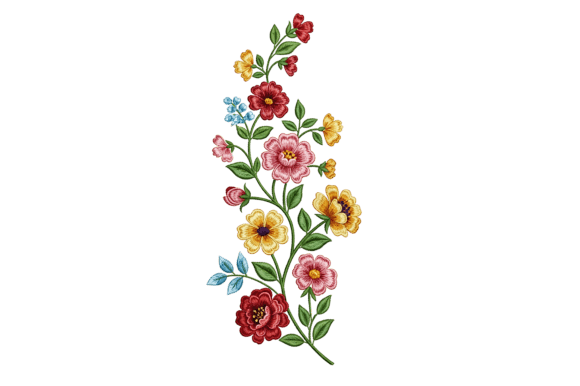
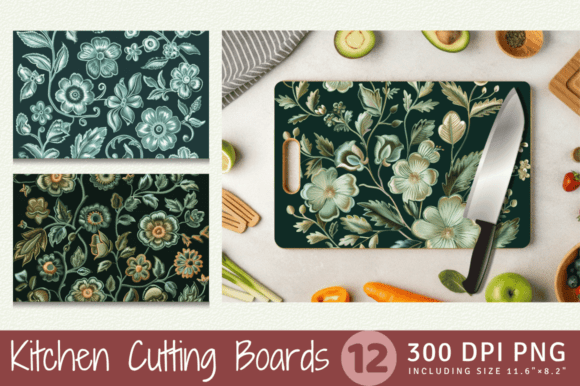
The "dusty green" descriptor is doing heavy lifting here. In embroidery, color choice dictates perceived value. Bright greens can look cheap or juvenile if not balanced correctly, but a dusty, sage-like tone implies maturity and calm. This makes the Dusty Green Floral Embroidery Cutting Bo design particularly suitable for home decor items where the goal is serenity rather than excitement. The floral elements appear to be arranged with a natural, organic asymmetry, which is always a win for machine embroidery because it hides minor registration errors better than rigid, geometric patterns.
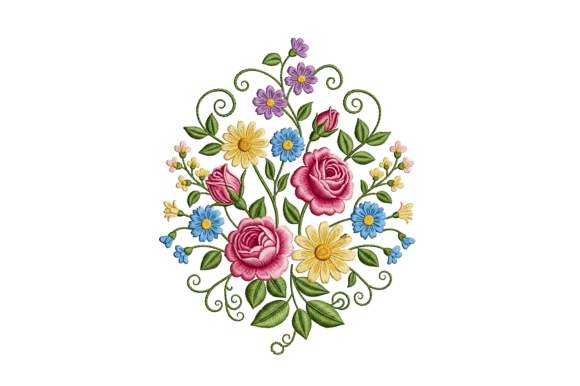
When evaluating any machine embroidery design, I look at the density of the details. Are there too many tiny leaves that will turn into a blob of thread? From what I can see in the graphic representation, the lines are clean. However, without knowing the exact stitch count or file format from the provided description, I must advise you to check these technical specs before purchasing or downloading. A high-quality embroidery file should have optimized pathing to minimize jumps and trims.
Real-World Application: The Tote Bag Test
To truly evaluate this design, I imagined applying it to a canvas tote bag design. Canvas is a forgiving fabric, but it has a distinct texture. If this design uses a lot of fill stitch work, it needs to be dense enough to cover the weave of the canvas without sinking into it. Conversely, if it relies on satin stitch borders, the width of those satin columns must be appropriate for the fabric thickness.
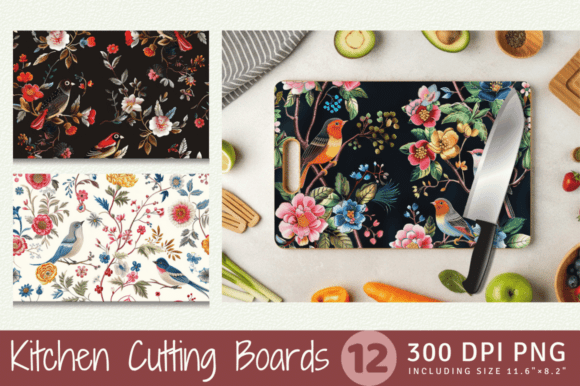
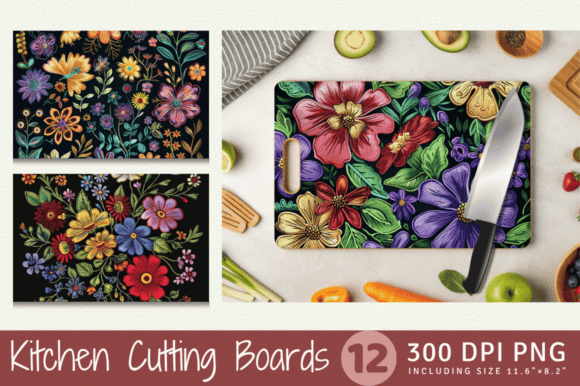
I pictured stitching this onto a natural beige tote. The dusty green would pop subtly against the neutral background, creating a boutique feel. This is exactly the kind of handmade product that sells well at craft fairs because it looks intentional and designed, not just slapped on. It would also work beautifully as a personalized gift for someone who loves gardening or cooking, tying back to the "cutting board" theme mentioned in the product metadata.
Apparel and Wearables
Moving beyond bags, let’s consider custom apparel. A lightweight linen shirt or a structured sweatshirt embroidery project could benefit from this motif. On a sweatshirt, the plush texture of the fleece requires a robust stabilizer. If the stitch density of the Dusty Green Floral Embroidery Cutting Bo is too high, it might cause the fabric to pucker or become stiff. I recommend testing on scrap fabric first. Always use a cut-away stabilizer for knit fabrics like sweatshirts to ensure the design retains its shape after washing.
For baby embroidery, such as a onesie or burp cloth, caution is key. Babies have sensitive skin, so the back of the embroidery must be clean. If this design includes complex backing or dense fills, it might need a soft cover stitch or a specific technique to ensure comfort. The gentle color palette fits nursery aesthetics perfectly, but the physical feel of the stitches matters more than the visual appeal here.
Technical Considerations and Pitfalls
While the aesthetic is strong, there are areas where this design requires careful handling. Any floral design with intricate petals risks losing definition if the thread colors do not have enough contrast. If you are stitching on a dark fabric, you may need to adjust the thread shades to ensure the dusty green doesn't disappear into the background. Testing in black and white mockups is a pro tip I always use to check value contrast before threading the machine.
Another critical factor is the hoop size. Without specific dimensions provided in the product description, you must verify that the design fits your available hoops. Trying to squeeze a large design into a small hoop by resizing it can distort the proportions and increase stitch density to dangerous levels, leading to needle breaks and thread bunching. Always confirm the maximum hoop compatibility before starting a commercial embroidery run.
Additionally, consider the fabric texture. On highly textured towels or waffle-weave fabrics, fine details in Illustrations and Graphics can get lost. This design might perform better on smooth cottons, linens, or polished polyesters where the running stitch and satin elements can lie flat and sharp.
Business Value and Branding
For small shop product lines, consistency is vital. Using a cohesive set of designs helps build brand recognition. The Dusty Green Floral Embroidery Cutting Bo fits into a broader trend of botanical, earthy designs that are currently popular in home decor and lifestyle branding. Incorporating this into your design assets library can help you create a unified collection of kitchen towels, aprons, and wall hangings.
From a customer trust perspective, clean, well-digitized embroidery signals professionalism. Sloppy stitches or poorly planned color transitions can deter buyers. If this design delivers on its promise of high-quality graphics, it can elevate the perceived value of your finished product. It transforms a simple item into a holiday embroidery gift or a cherished keepsake.
Final Designer Notes
- Check Licensing: Before using this for commercial sales, confirm the license terms. Some digital embroidery file providers allow unlimited sales, while others restrict quantity.
- Stabilizer Choice: Match your stabilizer to your fabric. Tear-away for stable wovens, cut-away for knits, and water-soluble for delicate or sheer materials.
- Thread Quality: Use high-quality polyester or rayon threads to ensure the dusty green hue remains vibrant and does not fray easily.
- Test Stitch: Always run a test on the actual fabric you intend to use. Check for puckering, thread breaks, and color accuracy.
In conclusion, the Dusty Green Floral Embroidery Cutting Bo appears to be a versatile and aesthetically pleasing addition to any designer’s toolkit. Its strength lies in its mood and adaptability to various home and apparel projects. However, success depends on technical diligence. By respecting the limitations of your machine, choosing the right materials, and verifying the technical specifications of the embroidery project, you can turn this digital graphic into a tangible, high-value item for your customers.