Reviewing Japanese Floral Embroidery for Boutique Apparel
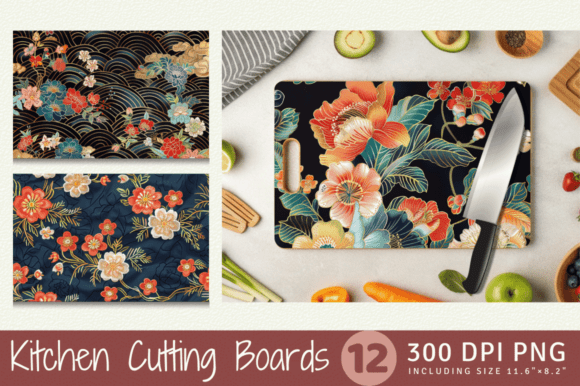
As an embroidery designer who spends half my life digitizing and the other half stitching, I am always on the lookout for assets that bridge the gap between digital art and tangible texture. Recently, I came across a product titled Japanese Floral Embroidery Cutting Board on Creative Fabrica. At first glance, the title suggests a sublimation design intended for kitchen decor, categorized under Illustrations and Graphics. However, for those of us in the custom apparel space, seeing "embroidery" in the title triggers a different kind of interest. I decided to review this asset not as a kitchen item, but through the lens of a boutique apparel creator looking to elevate their next sweatshirt or hoodie collection.
Visual Personality and Design Mood
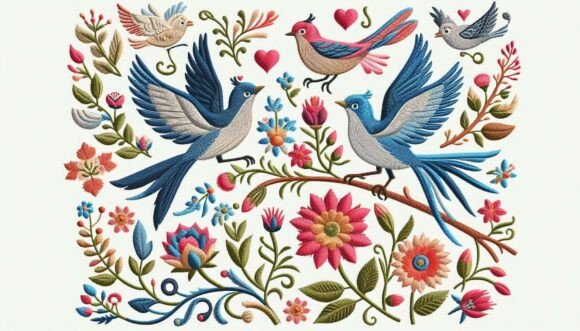
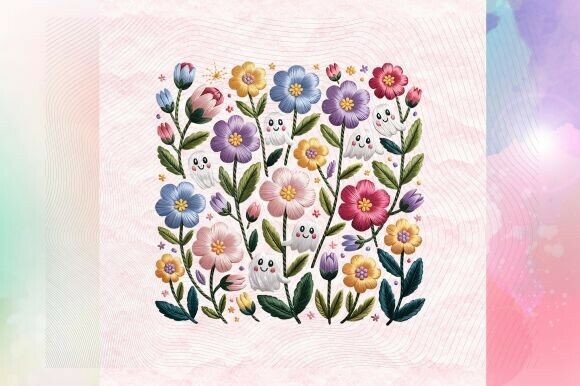
The first impression of the Japanese Floral Embroidery Cutting Board design is one of delicate sophistication. The visual personality leans heavily into the classic and feminine aesthetic, characterized by the intricate lines typical of traditional Japanese botanical art. When I examine the graphics, I look for decorative strength and detail level. This design offers a high level of intricacy, which translates beautifully into a premium feel when applied to fabric.
For a boutique brand, the mood is everything. This design does not scream loud or trendy; instead, it whispers rustic elegance. It feels calm, balanced, and timeless. If you are building a cohesive collection, this type of imagery works exceptionally well for cozy seasonal outfits where the goal is to evoke warmth and tranquility. The floral motifs are structured yet organic, providing a strong focal point without overwhelming the garment.
Adapting Graphics for Sweatshirt and Hoodie Projects
While the product description mentions cutting boards and print-on-demand sellers, the true potential for an embroidery shop lies in adaptation. Imagine preparing a small sweatshirt or hoodie collection for an online shop. How would this design perform? For sweatshirt embroidery, the key is placement. A large, dense floral arrangement can look stunning on the back of an oversized garment, creating a statement piece that rivals high-end retail brands.
For a more subtle approach, consider using elements of the design for hoodie chest placement. By isolating a single bloom or a small cluster from the larger composition, you create a minimalist accent that appeals to customers who prefer understated luxury. This works particularly well on neutral sweatshirts like oatmeal, sage green, or charcoal. On pastel hoodies, the soft lines of the Japanese floral style complement the gentle color palette, enhancing the handmade product appeal.
When working with dark apparel, such as navy or black fleece, the contrast becomes critical. You must ensure that the thread colors chosen provide enough visibility against the dark background. Silk-like rayon threads can add a sheen that mimics the delicate nature of the original illustration, while matte cotton threads might offer a more rustic, vintage vibe. Always test on similar garment fabric before committing to a full production run.
Practical Considerations for Machine Embroidery
Translating a graphic or illustration into a physical stitch-out requires careful planning. Since the product is listed under Graphics and Illustrations, it may not come as a ready-to-stitch machine embroidery design file. If you are purchasing this for embroidery purposes, you must confirm the file formats included. If it is purely a raster or vector image, you will need to digitize it yourself or hire a digitizer.
Assuming you have the appropriate embroidery file or are digitizing from the graphic, pay close attention to stitch density. Japanese floral designs often feature fine lines and detailed petals. If the stitch density is too high on a stretchy fabric like fleece or ribbed knit, the design may pucker or cause the garment to distort. Conversely, if the density is too low, the fabric may show through, losing the impact of the design.
Here are some practical notes for your workflow:
- Test on scrap fabric: Always run a test stitch on the same weight and type of fabric you intend to use for the final product.
- Check stabilizer choice: For sweatshirts and hoodies, a cut-away stabilizer is usually recommended to support the weight of the stitches and prevent stretching over time.
- Confirm hoop size: Ensure your machine’s hoop size can accommodate the full design if you plan to stitch it as a whole. Larger designs may require re-hooping or splitting the design.
- Inspect stitch direction: Pay attention to how the stitches lay on curved surfaces. Incorrect angles can cause light reflection issues, making the design look uneven.
Expanding Beyond Apparel: Totes and Lifestyle Products
The versatility of the Japanese Floral Embroidery Cutting Board motif extends beyond clothing. For an Etsy seller or small shop owner, diversifying product lines is essential for survival. This design could be beautifully adapted for tote bag design. Canvas bags provide a stable, non-stretch surface that is ideal for detailed embroidery. The rustic charm of the floral pattern pairs perfectly with natural cotton canvas, creating a product that appeals to eco-conscious consumers.
Furthermore, consider using the design for lifestyle product photos and social media graphics. Even if you are selling the finished embroidered apparel, having high-quality printable mockups or digital assets that feature the same floral theme can help maintain visual consistency across your brand. This helps build buyer trust and product recognition. When a customer sees the same elegant floral motif on your Instagram posts, your website banners, and the actual hoodie they receive, it reinforces the professional presentation of your boutique brand.
Commercial Value and Brand Identity
Using unique, high-quality designs like this can significantly affect your apparel value. In a market saturated with generic clipart, offering a thoughtfully placed, culturally inspired floral design sets your custom apparel apart. It signals to the customer that care and artistic judgment went into the creation process. This enhances brand identity and fosters deeper customer engagement.
However, caution is advised regarding licensing. The product description mentions it is perfect for print-on-demand sellers and custom printed boards. Before using this for commercial embroidery products, you must check the Creative Fabrica product details and licensing terms explicitly. Ensure that the license covers physical goods and, if you are digitizing it yourself, that you have the rights to create derivative embroidery files. Never assume; always verify.
Final Thoughts for the Creative Entrepreneur
The Japanese Floral Embroidery Cutting Board asset is a prime example of how cross-category inspiration can fuel creativity in the apparel world. While it may be marketed towards kitchen decor, its aesthetic value for fashion is undeniable. For the experienced embroidery designer, it offers a rich source of inspiration for creating premium, boutique-quality pieces.
Whether you are designing for denim jackets, cozy sweaters, or tote bags, the key lies in execution. Respect the fabric, choose your threads wisely, and honor the delicate nature of the design. By doing so, you transform a simple graphic into a tangible piece of art that customers will cherish. As you plan your next collection, consider how this Japanese floral motif can bring a touch of serene elegance to your handmade products, helping your small business stand out in a crowded marketplace.