Reviewing Beautiful Floral Bouquet for Custom Gifts
As an embroidery designer who has spent years testing digital files for client projects, I approach every new machine embroidery design with a mix of excitement and scrutiny. When I first loaded the Beautiful Floral Bouquet into my software, I was looking for more than just pretty petals. I needed to know if this design could hold up under the pressure of a real-world personalized gift shop. Would it appeal to my customers? Would it stitch out cleanly on tricky fabrics? And most importantly, would it create that emotional connection that turns a simple item into a cherished keepsake?
First Impressions: Charm Meets Versatility
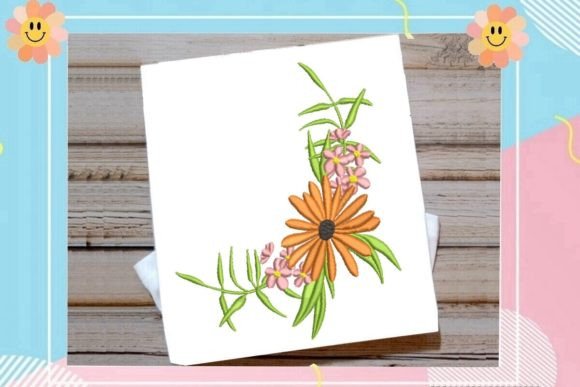
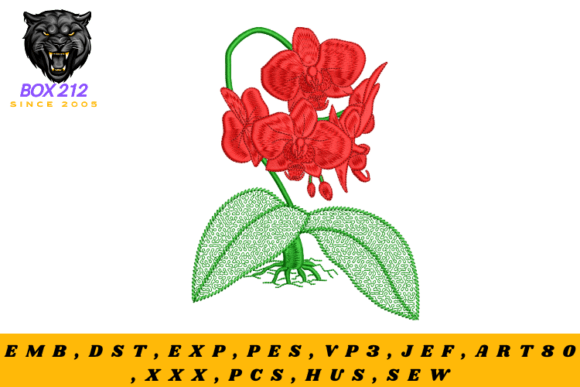
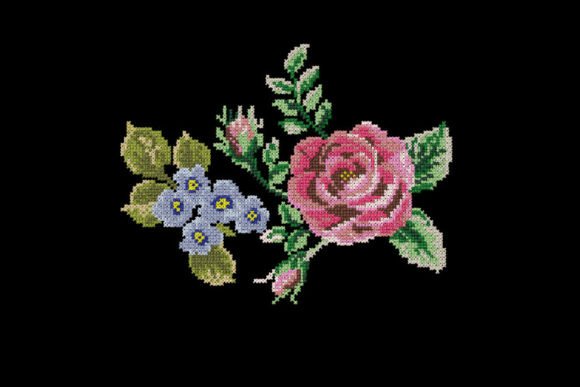
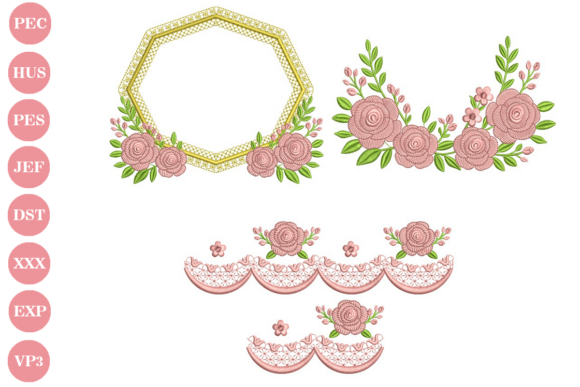
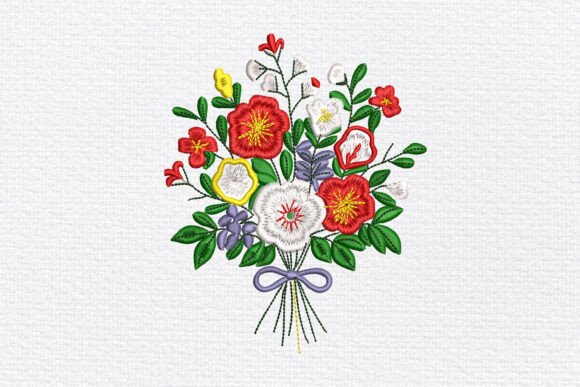
The immediate mood of the Beautiful Floral Bouquet is undeniably charming. It strikes a balance between sweet and elegant, avoiding the overly complex details that often cause thread breaks while maintaining enough intricacy to look high-end. This is not a stiff, formal arrangement; it has a fun and quirky flair that feels handmade and approachable. For Etsy sellers and small business owners, this aesthetic is gold. It appeals to a broad demographic, from young mothers looking for nursery decor to brides seeking unique wedding gifts.
The design feels seasonal yet timeless. While it fits perfectly into spring collections, its classic structure ensures it does not feel dated by winter. This versatility is crucial for inventory planning. You do not want a design that sits idle in your digital library for six months. With this bouquet, you can market it year-round, adjusting your thread colors to match current trends or specific customer requests.
Real-World Applications for Personalized Products
To truly test the viability of this embroidery file, I imagined several common customer orders. The first scenario involved a baby shower gift. A soft, pastel version of the Beautiful Floral Bouquet stitched onto a muslin swaddle blanket creates an instant heirloom. However, baby embroidery requires caution. The design must be soft against delicate skin, so checking the stitch density is vital. If the fill is too dense, it can make the fabric stiff. I recommend testing this on scrap fabric first to ensure the finished product remains plush and comfortable.
Another strong use case is home decor, specifically embroidered towels and pillow covers. Kitchen towels are a staple for craft fairs, but they present challenges due to their textured fabric and loops. The bouquet’s lines need to be bold enough to stand out against the terry cloth without getting lost in the texture. For a smoother surface like a cotton pillow cover, the design shines, offering a sophisticated touch that elevates a basic home good into a boutique-style item. This perceived value allows small shop products to command higher price points.
Wedding gifts also benefit from this design. Imagine monogramming the initials of a couple within the stems of the bouquet on a tote bag or apron. It transforms a utilitarian object into a romantic gesture. The quirky flair mentioned in the description suggests it is not overly rigid, making it suitable for modern weddings that favor personality over strict tradition.
Navigating Fabric and Technical Challenges
While the Beautiful Floral Bouquet is delightful, it is not without its technical demands. Experienced crafters know that a design looks different on screen than it does on fabric. When working with stretchy baby clothes or curved surfaces like hat brims, stabilization is key. Using the proper stabilizer prevents puckering, which can ruin the elegant lines of the flowers. I always advise checking the recommended hoop size before purchasing. If the design is large, it may require a bigger hoop, which limits the types of machines that can run it efficiently.
Dark fabrics pose another challenge. Light thread colors on dark fabric can sometimes appear washed out if the underlay is not sufficient. Conversely, dark threads on light fabric show every imperfection. I recommend creating printable mockups or stitching samples on both light and dark fabric to compare contrast. This step is essential for building customer trust. When buyers see consistent quality in your product photography, they are more likely to engage and purchase.
Additionally, consider the washability of the final item. An embroidered towel or apron will undergo frequent washing. Ensure that the thread colors are colorfast and that the stitch density is balanced to prevent excessive wear on the fabric fibers. Delicate details might pull or break after multiple cycles if not secured properly.
Boosting Giftability and Customer Engagement
From a business perspective, the Beautiful Floral Bouquet enhances giftability. A personalized gift feels thoughtful, and a well-executed floral design adds an layer of emotional appeal. It signals care and effort, which strengthens the bond between the giver and the receiver. For digital embroidery file sellers, providing clear previews and usage tips can boost buyer confidence. Showcasing the design on various items—such as a tote bag, a blanket, and a kitchen towel—helps customers visualize the possibilities.
This design also supports commercial embroidery efforts. If you are selling finished products, ensure you have the correct license. Most designers offer different tiers for personal versus commercial use. Always confirm commercial licensing before listing items on Etsy or at local craft fairs. This protects your business and respects the creator’s intellectual property.
Practical Tips for Stitching Success
Before running a full production batch, follow these practical steps to ensure quality:
- Test on scrap fabric: Never stitch directly on your final product without a trial run. Use similar material to check for puckering or thread breaks.
- Check thread color contrast: View your design in grayscale to ensure the details remain visible regardless of color choice.
- Confirm hoop size: Verify that the design fits within your machine’s maximum hoop dimensions to avoid re-hooping errors.
- Review stitch density: High density can cause stiffness; low density may show fabric through. Adjust settings if your machine allows.
- Use proper stabilizer: Match the stabilizer weight to the fabric texture. Cut-away for stretchy fabrics, tear-away for stable woven materials.
- Inspect small details: After stitching, check the smallest petals and leaves. If they are messy, consider using a finer needle or higher quality thread.
In conclusion, the Beautiful Floral Bouquet is a versatile addition to any embroidery designer’s library. It bridges the gap between playful and elegant, making it suitable for a wide range of personalized gifts. By paying attention to fabric texture, stabilizer choice, and licensing terms, you can leverage this design to create high-value handmade products that resonate with customers. Whether you are crafting a baby blanket or a wedding keepsake, this bouquet offers the charm and quality needed to succeed in the competitive world of custom embroidery.