Floral Scissor: A Designer’s Review for Branded Merch
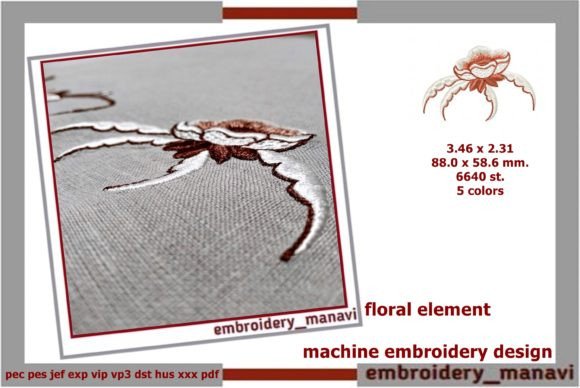
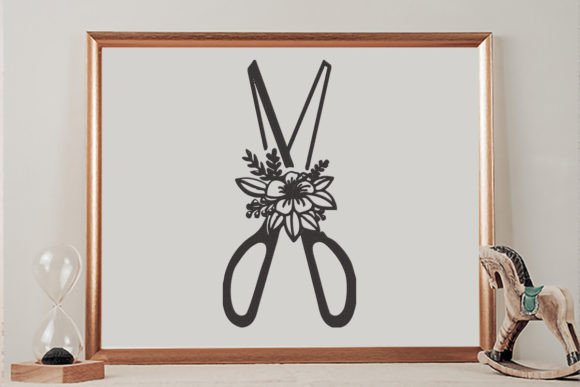
As an embroidery designer who has spent years digitizing files and consulting with small business owners, I approach every new machine embroidery design with a critical eye. It is not enough for a pattern to look pretty on a screen; it must perform under the needle, withstand washing, and elevate the brand identity of the client using it. Today, I am reviewing Floral Scissor, a charming addition to the Single Flowers category, to determine its viability for commercial embroidery projects.
The first impression of Floral Scissor is one of whimsical elegance. The description promises to embellish fabrics with a touch of charm, and visually, it delivers a soft, handmade aesthetic. For boutique owners, florists, or creative studios, this design feels friendly and approachable rather than corporate or rigid. It bridges the gap between professional polish and artisanal warmth, which is a difficult balance to strike in modern branding.
Evaluating Visual Personality and Brand Fit
When selecting a digital embroidery file for business use, you must consider what the design says about your company. Floral Scissor leans heavily into the decorative and playful side of the spectrum. It is ideal for brands that want to appear accessible, creative, and detail-oriented. If you run a bakery, a local flower shop, or a handmade jewelry store, this motif aligns perfectly with a narrative of care and craftsmanship.
However, for industrial or high-tech brands, this might feel too soft. The key is context. In the world of small business merch, standing out often means embracing personality. This design does not shout; it whispers quality. It suggests that the business behind the stitch values aesthetics and takes pride in the presentation of their finished product.
Real-World Applications for Small Business Merchandise
Let us move beyond theory and discuss where Floral Scissor actually works in a production environment. Based on its likely structure as a single floral element, here are the most effective applications:
- Embroidered Patches: This is perhaps the strongest use case. A floral motif translates beautifully to a patch format, allowing businesses to create removable branding for jackets, bags, or limited-edition drops. It adds tangible value to the item.
- Apron Embroidery: For cafes and bakeries, staff uniforms are walking billboards. Placing this design on the chest pocket or lower corner of an apron adds a signature touch without overwhelming the uniform. It signals attention to detail to customers.
- Tote Bag Design: Canvas totes are staples for retail shops. A single, well-digitized flower serves as a minimalist logo accent. It is less aggressive than a full text logo and appeals to customers who prefer subtle branding.
- Cap Embroidery: While possible, this requires caution. A floral design on a curved cap front can distort if not properly sized. It works best as a side-panel accent or on unstructured dad hats where the fabric is more forgiving.
- Product Packaging Accents: Imagine this stitched onto a small fabric tag attached to handmade soaps or candles. It elevates the perceived value of the handmade product instantly.
Technical Considerations and Production Risks
Every embroidery designer knows that a beautiful preview does not guarantee a smooth run. When integrating Floral Scissor into your workflow, you must address several technical variables. The description notes it comes with multiple formats, but it does not specify exact stitch counts or density maps. Therefore, testing is non-negotiable.
Stitch density is the primary concern. Floral designs often rely on satin stitches for petals and leaves. If the density is too high, the fabric will pucker, especially on lightweight materials like silk or thin cotton. If it is too low, the backing may show through, ruining the premium look. You must test this design on the actual fabric you intend to use. Do not assume it will behave the same on denim as it does on twill.
Another critical factor is thread colors. A floral design lives or dies by its color palette. For branded merchandise, you may need to customize the thread colors to match your specific brand guidelines. Ensure the design allows for easy color changes in your software. High contrast between the flower and the background fabric is essential for visibility, particularly on dark uniforms.
Navigating Curved Surfaces and Small Sizes
If you plan to use Floral Scissor on caps or small patches, be mindful of scaling. Shrinking a complex floral design too much can cause thread breaks and registration issues. The fine details of petals may merge into a blob if the design is reduced below a certain threshold. Always check the minimum recommended size provided by the digitizer. If that information is missing from the embroidery file package, start with a larger test and scale down gradually until clarity is lost.
Furthermore, curved surfaces like hat fronts require careful hooping and stabilizer selection. A heavy cut-away stabilizer is usually recommended to prevent distortion during wear and washing. Without proper support, even the best-designed floral motif will look warped after a few uses.
Enhancing Brand Identity and Customer Trust
Why go through the trouble of custom embroidery? Because it builds trust. In an era of mass-produced goods, embroidered items signal permanence and quality. When a customer receives a tote bag or shirt with Floral Scissor stitched onto it, they perceive higher value. It transforms a simple promotional item into a keepsake.
Consistency is key. Use this design across various touchpoints—aprons, packaging tags, and staff shirts—to create visual consistency. This repetition reinforces brand recognition. Customers begin to associate that specific floral motif with your business’s values of charm and quality. It becomes a visual asset as important as your logo.
Practical Designer Notes for Implementation
Before you commit to a large production run of custom apparel or merchandise featuring Floral Scissor, follow these steps:
- Test in Black and White: Remove color from the equation initially. Check the stitch structure and density. If it looks muddy in monochrome, it will look messy in color.
- Verify Hoop Size: Confirm that the design fits within your standard hoop sizes. If it requires a large hoop, calculate if that increases your production time and material costs.
- Select the Right Stabilizer: Match the stabilizer to the fabric texture. Heavy fabrics need less support; light, stretchy fabrics need robust stabilization to prevent puckering.
- Create a Printable Mockup: Before stitching, place the digital image on a photo of your product. Show this to clients or stakeholders for approval. It saves time and sets expectations.
- Confirm Commercial Licensing: The description mentions it is for embellishing fabrics, but always read the specific license terms included with the digital embroidery file. Ensure you have the right to use it for sold goods, not just personal projects.
In conclusion, Floral Scissor is a versatile and charming asset for the right brand. It excels in environments that value whimsy, handmade appeal, and gentle professionalism. By respecting the technical limitations of embroidery and carefully planning its application, small business owners can leverage this design to create memorable, high-quality merchandise that resonates with their audience. Treat it not just as a decoration, but as a strategic component of your brand’s visual language.